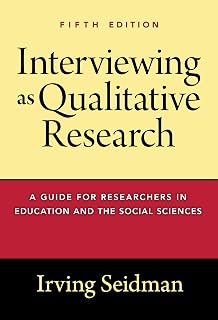
Irving Seidman stands as a pivotal figure in the realm of qualitative research, particularly for those in education and the social sciences. His works provide invaluable tools for researchers, emphasizing in-depth interviewing as a cornerstone of qualitative inquiry. With a focus on practical guidance, Seidman's publications empower educators, academics, and social scientists to conduct meaningful, ethical interviews that yield rich, nuanced data.
Why Choose Irving Seidman for Your Research Needs
Irving Seidman's contributions to research books are distinguished by their depth and applicability. His approach demystifies the art of interviewing, transforming it from a daunting task into a structured, insightful process. What sets Seidman apart is his commitment to real-world application, drawing from extensive experience to offer strategies that resonate across disciplines. Researchers appreciate how his books bridge theory and practice, making complex concepts accessible without sacrificing rigor.
In the competitive landscape of educational theory and research literature, Seidman's voice is authoritative and trusted. His guides are crafted for longevity, remaining relevant as research paradigms evolve. Whether you're a graduate student embarking on your first study or a seasoned professor refining your methods, Seidman's resources deliver clarity and confidence. The emphasis on ethical considerations, participant rapport, and data interpretation ensures that his works are not just read but actively implemented in fieldwork.
Product Quality and Reputation in Qualitative Research
Seidman's portfolio exemplifies excellence in educational publishing. Each title undergoes meticulous development, resulting in content that is both scholarly and user-friendly. Readers consistently praise the clarity of explanations, the abundance of practical examples, and the thoughtful exercises that reinforce learning. This reputation for quality positions Seidman as a go-to resource in academic circles, where precision and insight are paramount.
His books shine in their ability to address common pitfalls in qualitative interviewing, such as bias mitigation and narrative coherence. By focusing on the human element of research, Seidman fosters a deeper understanding of how interviews uncover lived experiences. This holistic approach not only enhances research outcomes but also enriches the researcher's skill set, making his publications indispensable for professional development.
Who Benefits Most from Irving Seidman's Works
Irving Seidman's books are ideal for a wide audience within education and social sciences. Graduate students in research methodology courses find them foundational, while practicing educators use them to inform action research projects. Social scientists exploring ethnographic methods or oral histories also turn to Seidman for proven techniques. Even policymakers and program evaluators benefit from his insights into gathering authentic stakeholder voices.
For those delving into research books, Seidman's emphasis on iterative interviewing processes proves transformative. His guidance helps novices build competence quickly and allows experts to refine their craft. Institutions integrating qualitative methods into curricula often recommend his works as core texts, underscoring their versatility across educational levels.
Key Product Categories and Specialties
Seidman's offerings primarily fall within education theory and research, with a strong foothold in qualitative methodologies. His flagship titles guide users through the nuances of in-depth interviews, from preparation to analysis. These resources align seamlessly with broader categories like Research Books, where they provide specialized knowledge for advancing scholarly pursuits.
Explore how Seidman's books complement other areas in educational publishing, offering a focused lens on interviewing that enhances overall research literacy. Whether supporting thesis work, professional publications, or grant-funded studies, his categories deliver targeted value.
Maximizing Value from Seidman’s Research Guides
To fully leverage Irving Seidman's expertise, pair his books with hands-on practice. Many users integrate his frameworks into workshops or peer review sessions, amplifying their impact. For those building a research library, starting with his core texts lays a solid foundation. As you navigate research books, Seidman's practical wisdom stands out, encouraging iterative improvement in your qualitative toolkit.
His enduring appeal lies in adaptability, techniques that work in classroom settings translate to community-based inquiries. This flexibility ensures long-term utility, making Seidman's works a wise investment for sustained academic growth.
Frequently Asked Questions
What makes Irving Seidman's books unique in qualitative research?
Seidman's uniqueness stems from his blend of theoretical depth and practical exercises, focusing on ethical, in-depth interviewing tailored for education and social sciences.
Who should read Interviewing as Qualitative Research?
This guide suits researchers, educators, and social scientists at any stage, providing tools for conducting insightful interviews that capture authentic narratives.
Are Seidman's methods applicable beyond education?
Yes, his interviewing techniques extend to social sciences, policy analysis, and any field relying on qualitative data for nuanced insights.
How does Seidman address common research challenges?
He offers strategies for building rapport, avoiding bias, and interpreting data, ensuring robust, ethical qualitative studies.
Where can I find more resources like Seidman's books?
Check out our Research Books category for complementary titles in education theory and qualitative methodologies.