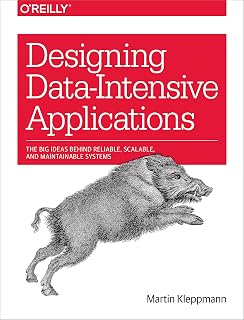
Martin Kleppmann stands as a pivotal figure in the world of data systems and software engineering. Known for his deep insights into building reliable, scalable, and maintainable applications, his work bridges theory and practice in the demanding field of data-intensive technologies. His books cater to professionals navigating the complexities of modern databases, distributed systems, and big data challenges.
Brand Overview and Expertise
Martin Kleppmann's contributions have shaped how engineers approach data architecture in today's fast-evolving tech landscape. With a background rooted in practical software development, his publications distill years of real-world experience into actionable knowledge. His focus on core principles ensures that readers gain timeless skills applicable across various technologies and frameworks.
What sets Martin Kleppmann apart is his emphasis on foundational concepts rather than fleeting trends. He explores the trade-offs in system design, helping readers understand why certain choices lead to robust solutions. This approach resonates with developers, architects, and data engineers who prioritize long-term maintainability over quick fixes.
Product Quality and Reputation
The hallmark of Martin Kleppmann's books is their clarity and depth. Each title is meticulously structured, blending theoretical underpinnings with practical examples. Readers praise the logical progression from basic ideas to advanced topics, making complex subjects accessible without oversimplification.
His reputation in the tech community is stellar, with endorsements from industry leaders and widespread adoption in professional training programs. Books from this brand are staples in the libraries of software teams at major tech companies, underscoring their proven value in high-stakes environments.
Key Product Categories
Martin Kleppmann's offerings primarily fall within specialized niches like databases, big data, and data modeling. For those interested in programming resources, check out our extensive Programming Books collection, where his titles shine alongside other essentials.
- Databases & Big Data: Deep dives into storage, processing, and scalability.
- Data Modeling & Design: Strategies for structuring data that supports growing demands.
- Distributed Systems: Principles for building fault-tolerant applications.
These categories align perfectly with broader programming literature. Dive deeper into related selections in our Programming Books section for complementary reads on software design and implementation.
Who Benefits Most from Martin Kleppmann's Books?
These books are ideal for intermediate to advanced practitioners. Software engineers building backend services, data architects planning large-scale systems, and DevOps professionals optimizing infrastructure will find immense value. Even seasoned experts revisit his work for fresh perspectives on enduring challenges.
Beginners with a solid programming foundation can use them to accelerate their growth into specialized roles. Teams fostering a culture of reliable engineering often incorporate his materials into onboarding and workshops.
For a broader view of tools and texts in this domain, explore our Programming Books category, featuring curated picks for data professionals.
Featured Title: Designing Data-Intensive Applications
This flagship book unpacks the big ideas behind reliable, scalable, and maintainable systems. It covers everything from data models and storage engines to encoding, partitioning, transactions, and replication. Readers learn to evaluate trade-offs in replication methods, distributed transactions, and the future of data systems.
The content empowers you to design systems that handle massive scale while remaining dependable. It's a must-read for anyone tackling real-world data challenges, with insights drawn from diverse production environments.
Complement your learning with more resources from our Programming Books and Programming Books pages, tailored for tech enthusiasts.
FAQ
What makes Martin Kleppmann's books stand out in data engineering?
They combine rigorous analysis with practical advice, focusing on timeless principles that apply across technologies, helping readers build systems that endure.
Who is the target audience for his publications?
Primarily software engineers, data architects, and system designers working on scalable applications, from mid-level to expert practitioners.
Are these books suitable for self-study?
Yes, their clear structure, diagrams, and examples make them excellent for independent learning, though group discussions enhance understanding.
How do his books relate to modern tech stacks?
They provide frameworks to evaluate tools like NoSQL databases, stream processing, and cloud services, fostering informed decisions.
Where can I find more programming resources like these?
Our Programming Books category offers a wealth of similar high-quality titles in data and systems design.