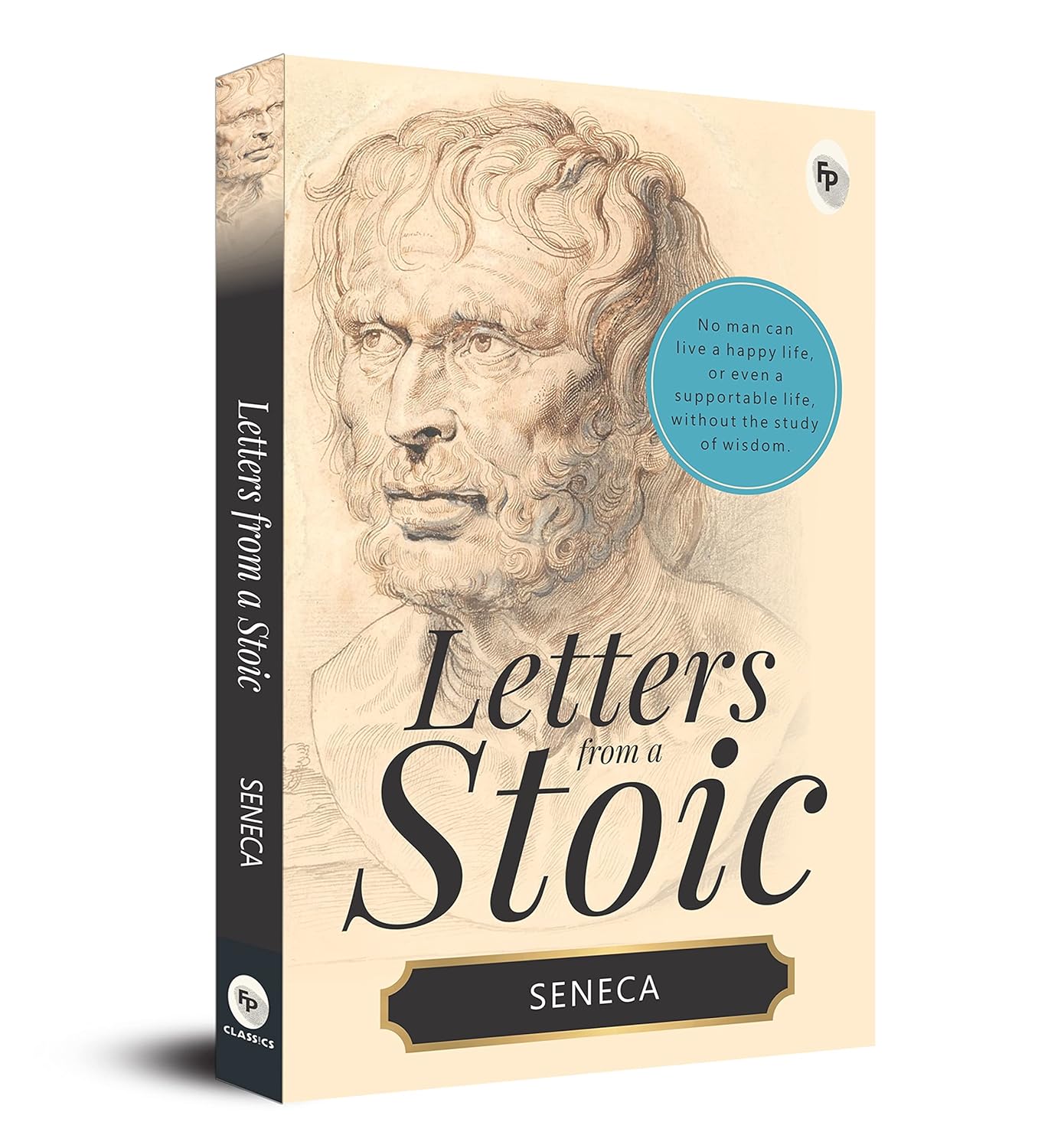
Seneca stands as a pillar of ancient Roman philosophy, renowned for his Stoic teachings that emphasize virtue, self-control, and living in harmony with nature. His works, such as the classic Letters from a Stoic, offer practical guidance for navigating life's challenges with wisdom and equanimity, making them timeless resources for readers interested in personal development and ethical living.
The Legacy of Seneca in Philosophy
Lucius Annaeus Seneca, often simply called Seneca, was a statesman, dramatist, and philosopher whose writings continue to influence thinkers across centuries. Active during the first century AD, he bridged the gap between theory and practice in Stoicism, a school of thought originating in ancient Greece but flourishing under Roman patronage. Seneca's approachable style sets him apart; unlike more abstract philosophers, he wrote letters and essays that feel like personal conversations, addressing everyday struggles with profound insight.
What makes Seneca's contributions stand out is their relevance to contemporary life. In an era of constant distraction and uncertainty, his advice on managing emotions, enduring hardship, and focusing on what truly matters resonates deeply. His texts are not dusty relics but living guides, often recommended in philosophy books collections for their accessibility and depth.
Quality and Reputation of Seneca's Works
Seneca's writings enjoy a stellar reputation for their intellectual rigor and literary elegance. Translated into numerous modern languages, they maintain the original's clarity and power, ensuring that readers from all backgrounds can engage with his ideas. Publishers take great care in producing editions that preserve the philosophical integrity while enhancing readability with helpful annotations and introductions.
These books are celebrated for their enduring quality, built to withstand repeated readings and scholarly scrutiny. Seneca's influence extends to modern psychology, leadership training, and self-help genres, underscoring the robustness of his philosophical framework. Readers consistently praise the transformative impact of his words, which encourage reflection and resilience.
Who Benefits Most from Seneca's Philosophy?
Seneca's works appeal to a wide audience, particularly those grappling with stress, ambition, or moral dilemmas. Professionals seeking work-life balance, students exploring ethics, and anyone pursuing mindfulness will find his teachings invaluable. His emphasis on rational decision-making and inner peace makes his books ideal for introspective readers.
Whether you're new to Stoicism or a seasoned enthusiast, Seneca provides entry points through concise letters and essays. His philosophy complements broader explorations in philosophy books, offering practical applications of ancient wisdom.
Exploring Seneca's Key Product Categories
Seneca's portfolio fits seamlessly into categories like Politics & Social Sciences, Philosophy, and History & Schools of Thought, with a focus on Western traditions, especially Ancient Greek & Roman thinkers. His flagship title, Letters from a Stoic, exemplifies his style: 124 epistles written to his friend Lucilius, covering topics from friendship and death to wealth and adversity.
- Philosophy Books: Core Stoic texts that delve into ethical living and mental fortitude.
- Politics & Social Sciences: Insights on governance, power, and societal roles drawn from his political experience.
- History & Schools of Thought: Contextualizes Stoicism within Roman intellectual history.
These categories highlight Seneca's versatility, making his works staples in curated philosophy books selections. Diving into his oeuvre reveals a cohesive vision of human potential.
Why Seneca Endures in Modern Times
In today's fast-paced world, Seneca's call to focus on the present and cultivate virtue cuts through the noise. His works challenge readers to examine their priorities, fostering a sense of agency amid chaos. This enduring appeal cements his place in philosophical canon, inspiring generations to lead more examined lives.
Integrating Seneca into your reading list can spark meaningful change, whether through daily meditations on his letters or deeper studies of his essays. His legacy proves that true wisdom transcends time, offering tools for anyone committed to self-improvement.
Frequently Asked Questions About Seneca
What is Seneca best known for?
Seneca is best known for his contributions to Stoicism, particularly through works like Letters from a Stoic, where he explores themes of resilience, ethics, and rational living in an accessible, letter format.
How does Seneca's philosophy apply today?
Seneca's teachings on emotional control, mindfulness, and virtue remain highly relevant, helping modern readers manage stress, ambition, and uncertainty in daily life.
Is Letters from a Stoic a good starting point for beginners?
Yes, it's an excellent entry due to its conversational tone and practical advice, making complex Stoic ideas approachable for newcomers.
Where can I find more books like Seneca's?
Explore broader philosophy books collections featuring other Stoics like Epictetus or Marcus Aurelius for complementary reads.
Why read Seneca over other philosophers?
Seneca's blend of eloquence, practicality, and personal insight distinguishes him, offering actionable wisdom grounded in real-world experience.